Recent Posts
China Coast Guard's Zhujiajian Patrol East of Taiwan Turns a Four-Month Presence Into a Quarantine Rehearsal
On September 29 the China Coast Guard announced that a task group led by the cutter Zhujiajian had carried out “routine law-enforcement patrols” in the waters east of Taiwan. The announcement added a detail that matters more than the patrol itself. The group, Beijing said, had been “strengthening control” over those waters since the start of September.
Taiwan’s coast guard had been watching. Its cutter Lanyu shadowed two Chinese ships, the Zhujiajian (hull 2503) and the Chongming (1401), and placed them roughly 97 nautical miles northeast of Green Island and 146 nautical miles east of Lanyu. Far from the Strait. Far from Fujian. On the Pacific side of the island, where Taiwan’s east-coast ports and air bases face open water.
Taiwan National Day 2026: Will Beijing Answer Lai's October 10 Speech With Drills or the Coast Guard?
President Lai Ching-te speaks in front of the Presidential Office in Taipei on Saturday, October 10, for Taiwan’s National Day. It’s his third as president. The first one, in 2024, was followed four days later by Joint Sword-2024B, a named PLA exercise around the whole island.
Taipei is braced for something similar. The question worth asking is what form it takes, because the evidence from 2026 points somewhere other than a repeat of 2024.
Taiwan's 40,000-Drone Supplementary Budget Puts Its Porcupine Strategy in the Opposition's Hands
Taiwan’s Cabinet approved a record NT$607.63 billion supplementary budget on September 3, and NT$145.7 billion of it (about US$4.6 billion) goes to defense. The headline number is big. The shopping list is bigger: more than 600 coastal surveillance and reconnaissance drones, over 40,000 coastal attack drones and a first batch of more than 100 small one-way attack boats.
That list is the asymmetric defense Washington has asked Taipei to build for years. Cheap, numerous, hard to target. The catch is procedural. The money still needs a vote in a Legislative Yuan controlled by the KMT and the Taiwan People’s Party, the same majority that already cut the government’s defense plans once this year.
SEMICON Taiwan 2026: The Optical Interconnect Buildout Is Re-Concentrating the AI Supply Chain in Taiwan
The forums opened in Taipei on Monday and the exhibition halls open Wednesday, and by any measure this is the largest edition SEMI has run: more than 1,300 exhibitors, 4,300 booths, 18 national pavilions, over 100,000 people from 65 countries. Numbers like that are easy to skim past. The substance underneath them matters more, because the question dominating almost every session is not which accelerator is fastest. It’s whether the connections between accelerators can keep up at all.
Taiwan Will Have 10 Minelayers by Year-End and Six Aging Minehunters to Clear Them
Six more Min Jiang-class fast minelayers are due from Lungteh Shipbuilding by the end of December, which takes the ROC Navy from four hulls to ten. Each boat carries between 32 and 64 Wan Hsiang mines and lays them from fixed tracks amidships and aft. Run the full fleet at two sorties apiece and Taiwan can put somewhere between 640 and 1,280 mines across the approaches to its harbours in a matter of days.
Unimicron Raid Shows Taiwan Policing Origin Fraud Before Washington Does
Taoyuan prosecutors raided Unimicron Technology on Friday, searching the company’s headquarters in Guishan District and a plant in Zhongli. Investigators from several field offices took part, together with a cybersecurity task force. Fourteen executives and staff were taken in for questioning, and the prosecutors’ office counted eighteen defendants and witnesses in total.
The charge is narrow in its wording. Prosecutors say Unimicron brought printed circuit boards made in China back into Taiwan and swapped the country-of-origin markings for labels declaring the boards Taiwanese, which would breach the Criminal Code provisions on the use of forged private documents and the false marking of goods. A general manager in the PCB division, surnamed Wang, went out on NT$15 million bail (about US$474,000). A deputy general manager surnamed Wu posted NT$12 million. Three others posted between NT$300,000 and NT$5 million, and the remaining nine were released without bail. The company says it is cooperating and that operations have not been materially affected.
Taiwan Expo USA 2026 Returns to Dallas as Taipei's Texas Footprint Passes $10 Billion
Trade shows are usually the least interesting thing a government does. This one is worth reading closely, not for the exhibition floor but for the roster of companies standing on it.
Taiwan Expo USA 2026 runs September 24–26 at the Kay Bailey Hutchison Convention Center in Dallas, free and open to the public, with a second consecutive Dallas edition after the 2025 event drew a reported 10,000 attendees. The organizers are Taiwan’s Ministry of Economic Affairs and its International Trade Administration, implemented by TAITRA, the semi-governmental trade promotion body. The theme is “Ignite the Future.” The programming includes a Taiwan-U.S. Industry Collaboration Forum on the opening afternoon, a healthcare forum the following day, eight exhibition zones, a Mid-Autumn Festival scavenger hunt, and a one-on-one business matchmaking program whose buyer registration closes September 9.
China and Indonesia Navy Drill East of Taiwan: A Passing Exercise Sold as Jurisdiction
China’s Ministry of National Defense announced on Tuesday that the Type 054A frigate Honghe will conduct a joint navigation exercise with an Indonesian navy frigate in waters east of Taiwan in mid-August. The stated content of the exercise is communications drills and underway replenishment. No dates, no coordinates, no route.
On the military ledger, that is close to nothing. Two frigates steaming in company, passing signals, practising a replenishment approach. Junior officer work. The Honghe entered service in 2022 with the Eastern Theater Command and the 054A is the most numerous frigate in the PLA Navy, which is to say Beijing did not send anything it considers precious.
China July Exports Rise 23.9% as Semiconductor Shipments Nearly Double in Value Terms
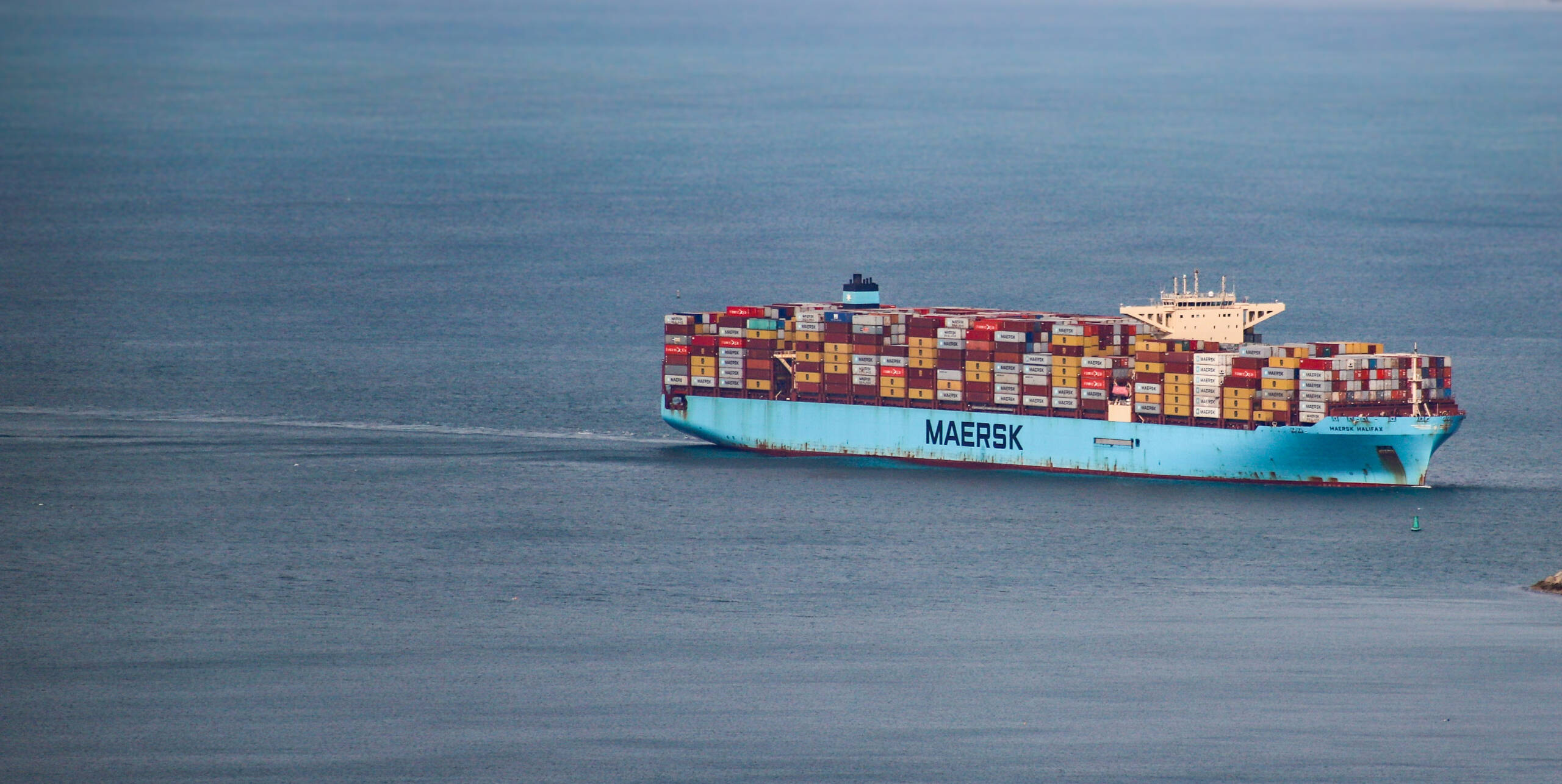
China’s July customs data arrived on Friday with the headline pointing one way and the composition pointing somewhere considerably more interesting. Exports rose 23.9% year on year in dollar terms to $397.85 billion, beating the 22.2% consensus in the Reuters poll and the 22.88% figure from the Wind survey, but decelerating from June’s 27%. Imports climbed 27.5% to $285.35 billion, slower than June’s 36% jump and broadly in line with what economists expected. The surplus narrowed to $112.5 billion from $125.62 billion.
Beijing's DUV Milestone and What It Actually Buys the PLA's Chip Supply Chain
A Chinese state-backed company has begun manufacturing deep ultraviolet lithography machines, according to reporting that moved equipment stocks across three continents inside a single trading day. The market read it as a threat to a Dutch monopoly. The more consequential question is narrower and less commercial: what does a domestic 193-nanometer tool change about the People’s Liberation Army’s access to the silicon it needs, and on what timeline.
The capability being replaced was never the binding constraint
Deep ultraviolet lithography is not the technology the export-control regime was built to withhold. Extreme ultraviolet is. Chinese foundries reached 7-nanometer class logic using immersion DUV and aggressive multipatterning, at yields and costs that were poor but not prohibitive for strategically prioritized output. The tools that made that possible were legally imported before the controls tightened, and a substantial installed base sits inside China today.